



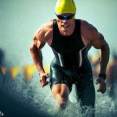
Most triathletes expect their legs, lungs, or fueling to be the limiting factor on race day. What catches many off guard is something quieter and more destabilizing. Mental fatigue.
You already know what physical fatigue feels like. Heavy muscles. Slower turnover. Burning lungs. Mental fatigue feels different. It feels like confusion, emotional flatness, irritability, or an unexpected urge to disengage.
Triathletes often lose clarity before they lose capacity.
Here is the thing. In triathlon, mental fatigue does not just arrive alongside physical fatigue. It often arrives first, and it alters how the body is experienced afterward.
Mental fatigue in triathlon accumulates differently than physical fatigue. Muscles fatigue from output. The mind fatigues from management.
Monitoring pace. Managing nutrition. Navigating environment. Interpreting sensation. Switching disciplines. Each demand quietly taxes cognitive resources.
You already know how to endure discomfort. The real issue is how much decision-making your mind is doing while enduring it.
The subconscious is efficient when conditions are stable. In triathlon, conditions change constantly.
Water temperature. Drafting conditions. Terrain. Wind. Crowd density. Nutrition timing. Each change pulls decisions into conscious awareness.
Mental fatigue is the cost of constant adaptation.
As fatigue grows, perception changes. Effort feels heavier. Motivation feels fragile. Pain feels more personal.
Many triathletes attempt to push through mental fatigue the same way they push through physical fatigue. They grit their teeth. They talk themselves forward.
This works briefly, then accelerates depletion. Conscious effort burns fuel rapidly when systems are already taxed.
Pushing mentally drains faster than pushing physically.
This is why late-race meltdowns often feel sudden. The reserves were spent quietly, long before they were noticed.
Elite triathletes experience the same demands, but mental fatigue accumulates more slowly for them.
They reduce supervision. They trust trained systems. Attention moves outward rather than inward. Internal dialogue stays minimal.
By allowing the subconscious to manage rhythm, effort feels more sustainable even late in the race.
Subconscious training is especially effective for managing mental fatigue because it operates beneath conscious control.
Hypnosis conditions familiarity with sustained effort and repeated transitions. The nervous system learns that change does not require escalation.
When mental load is reduced, the body feels stronger without changing output.
This is not motivation. It is conservation.
Mental fatigue hits triathletes harder than physical fatigue because it reshapes how effort is interpreted.
This is the reframe. Success is not about becoming tougher mentally, but about creating conditions where mental work is minimized.
Not because pain vanished, but because fewer systems were fighting it.
🔒 Related Products
🧠 Most Specific Product
The Triathlon Visualization Hypnosis Program works directly at the deepest subconscious level to bring about improvements in all areas of performance.
🧠 Other Tri-Related Products
Both the Open Water Complete Mind Training Program and the Distance Running Hypnosis Program are focused on these specific areas of performance.
🎯 Need Something More Personalized?
While our pre-made programs are effective for most people, sometimes you need something tailored specifically to your unique situation. Our custom hypnosis recordings are created just for you, addressing your specific goals and challenges.
🎯 New to Relaxation / Self-Hypnosis?
Our complementary 12 Minute Relaxation provides a guided recording perfect for starting out, or for anyone wanting quick light relaxation. More free downloads also on this page, for sleep etc.

🎧 Recommended Products for This Topic

Triathlon Program
Strengthen mental endurance, transition focus, and race resilience across swim, bike, and run with integrated subconscious conditioning.

Mind Training for Open Water Swimmers Program
Improve race focus, pacing control, and confidence in water with subconscious training designed for pool and open-water performance.

Distance Running
Enhance endurance, sharpen mental focus, and maintain steady pace under pressure with proven visualization techniques for runners.

Custom Sports Hypnosis Recordings
Recordings built specifically around your goals, training and challenges - the most targeted way to use hypnosis for lasting change.